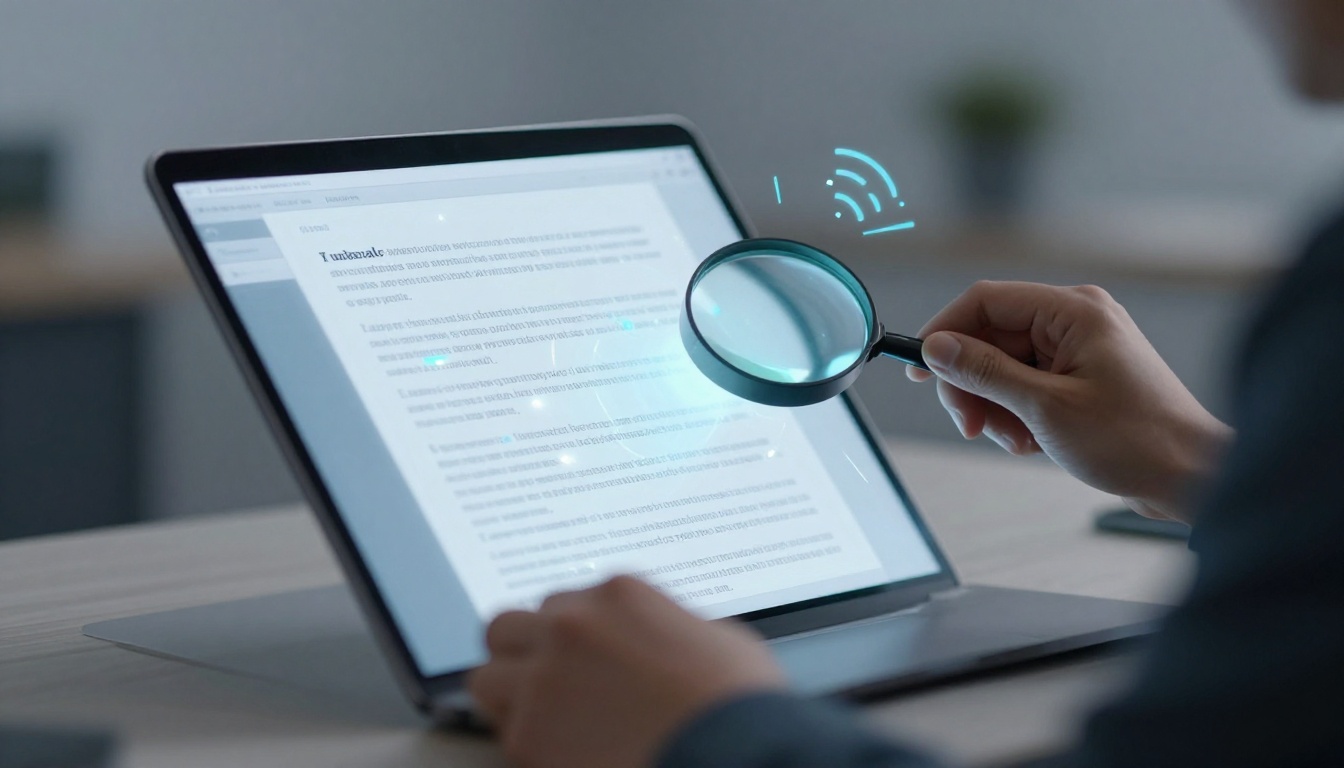
You skim a news article about climate change. Key stats and expert quotes slip by unnoticed. Suddenly, you realize you missed the main argument.
Signal phrases solve that problem. They act as simple cues from writers. These words or short groups point to vital details like facts, opinions, or evidence. Authors drop them in to guide you.
Spot them, and you grab core ideas fast. Students ace tests easier. Professionals make better choices from reports. This guide breaks it down. You’ll learn what they are, see common examples, find them in real texts, and practice spotting them yourself.
What Signal Phrases Are and Why They Point to Big Ideas
Signal phrases introduce important content. Writers use them right before quotes, data, or strong claims. They alert you to pay close attention.
Take this example: “Research shows that daily exercise cuts heart risks by 30 percent.” Here, “research shows” flags solid evidence. Normal sentences lack that punch. They blend facts without highlights.
“Experts warn of rising sea levels” stands out too. So does “studies confirm better sleep aids focus.” These phrases save you time. You focus on what matters in long articles.
Benefits stack up quick. You read faster with less effort. Dense reports become clear. In short, they guide your eyes to gold.
Picture traffic lights on a busy road. Green means go ahead. Red demands a stop and look. Signal phrases work the same. They direct you to stop and absorb.
Common ones include “data reveals” or “scientists report.” Each pulls key info forward. Next, you’ll see their clear marks.
Spotting the Hallmarks of a True Signal Phrase
True signal phrases share traits. First, they often lead into quotes or numbers. Second, they pack verbs like says, claims, or reveals. Third, many name sources or authors.
Compare these:
| Regular Sentence | Signal Phrase Example |
|---|---|
| Exercise helps hearts. | Studies show exercise helps hearts by 30 percent. |
| Sea levels rise. | Experts warn sea levels rise fast. |
The bold parts create emphasis. They tag reliable info. You notice because they break the flow.
These traits boost comprehension. You process text quicker. Facts stick better as a result.
How Signal Phrases Help You Cut Through the Noise
Noise fills most articles. Signal phrases cut it. In school, they mark testable facts in reports.
Picture a history paper. Without cues, ideas blur. Spot “historians note,” and the main event pops.
News works the same. Claims from sources gain trust. Before spotting: confusion reigns. After: clarity hits.
One reader tried it on a tech blog. She missed product flaws at first. Signals like “reviewers complain” changed that. She decided smarter.
You gain confidence too. Decisions improve because you see what’s backed.
Everyday Signal Phrases That Flag Must-Know Facts
Writers group signals by purpose. Evidence ones prove points. Opinion types share views. Emphasis draws focus.
Start with evidence. “Data indicates sales dropped last quarter.” It promises proof.
Opinions follow: “Critics argue the policy fails.” Views get labeled clear.
Emphasis adds: “Most importantly, act now.” Priority shines.
Collect these in your next read. They build a habit fast.
Examples fill news and books. You will recognize patterns soon.
Evidence Phrases That Back Up Claims with Proof
Evidence phrases link to facts. Trust builds from them.
“Science proves” heads strong claims. Example: “Science proves vaccines save lives yearly.”
“Surveys reveal” shares group views. “Surveys reveal 70 percent prefer remote work.”
“Statistics show” delivers numbers. “Statistics show unemployment fell to 4 percent.”
“Experiments confirm” tests ideas. “Experiments confirm plants grow better with light.”
“Reports indicate” cites documents. “Reports indicate traffic eased after changes.”
Each flags trustworthy details. Lean on them for solid ground.
Opinion and Emphasis Phrases That Stress Viewpoints
Opinions need labels too. “Author contends prices must rise.” It marks a stance.
“Believes that” softens views. “She believes that teamwork wins games.”
“Critics argue” shows debate. “Critics argue the film lacks depth.”
Emphasis pulls eyes. “Notably” highlights turns. “Notably, sales spiked in summer.”
“Crucially” stresses needs. “Crucially, water stays key to life.”
“Key takeaway” sums up. “Key takeaway: save early for retirement.”
These draw lines around arguments. No data, but still vital.
Hunt for Signal Phrases in News, Books, and Blogs
Context shapes signals. News favors quick quotes. Books use formal tags. Blogs mix casual cues.
Strategies fit each. Underline in print. Note digitally in apps.
Scan for author names first. Bold verbs jump next.
Practice on varied texts. Skills grow with reps.
Excerpts help. News: “Officials state crime dropped 15 percent this year.” “State” signals official data.
Textbook: “Economists observe markets shift with policy.” “Observe” tags analysis.
Blog: “Users report app crashes often.” “Report” flags common issues.
Hunt smart, and texts open up.
Quick Tricks for News and Online Articles
News moves fast. Signals cluster before expert quotes.
Read first and last sentences. Circle sources like “CEO says.”
Example paragraph: “The mayor announced new parks. Planners predict more families will stay. Residents claim it boosts joy. Data backs the plan.”
Tips work: skim leads, note italics or bold if used. You catch 80 percent quick.
Finding Them in School Books and Long Reports
Academic texts formalize cues. “Analysis suggests” appears often.
Chapter ends cluster them. Example from science: “Biologists find cells divide rapidly. Research demonstrates genes control it. Findings support evolution theory.”
Tips: highlight margins. Review summaries. Formal verbs like “demonstrates” stand out.
Reports mirror this. Scan executive summaries first.
Sharpen Your Skills with Simple Practice Exercises
Practice builds speed. Short passages hide signals. Spot them, then check answers.
Daily five minutes works wonders. Track what you find. Improvement shows fast.
Try these. List signals after reading. Explanations follow.
Boost with real articles. Note three per page.
Test Yourself on These Sample Passages
First passage, news style:
“The economy grew last month. Experts predict steady jobs ahead. Inflation eased to 2 percent, as data confirms. CEO Smith claims profits rose. Analysts warn, though, of trade risks.”
Signals: Experts predict (forecast), data confirms (proof), claims (opinion), analysts warn (caution). They flag predictions, facts, views, risks.
Second passage, textbook style:
“Photosynthesis powers plants. Studies reveal chlorophyll absorbs light. Experiments show oxygen releases as byproduct. Darwin observed similar in nature. Key point: energy flows from sun.”
Signals: Studies reveal (evidence), experiments show (proof), observed (opinion), key point (emphasis). They point to processes, facts, history, summary.
Third, blog post:
“Remote work booms. Surveys indicate 60 percent love it. Bosses complain of lost chats. Most importantly, balance matters. Reviewers note tools help connect.”
Signals: Surveys indicate (data), complain (view), most importantly (priority), reviewers note (feedback). They highlight trends, issues, advice, solutions.
Review often. You will spot them everywhere soon.
Spotting signal phrases speeds up your reading. You now know basics, examples from life, hunt spots, and practice ways.
Grab an article or book today. Hunt three signals right now. Grades rise, choices sharpen as a result.
Share your finds in comments. What phrases surprise you most? Subscribe for more reading hacks.